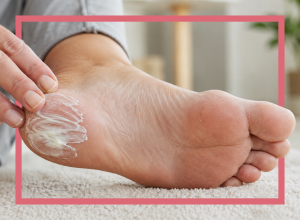

Many diabetics know those moments when even comfortable footwear isn’t enough to prevent uncomfortable friction. The skin is often dry and sensitive, which increases the risk of injury. A simple, daily routine is crucial for prevention. This article shows what a sensible care routine can look like.
Why is Foot Care Particularly Important for Diabetics?
For diabetics, feet can be particularly sensitive. Due to nerve damage, pressure, heat, or small injuries may be perceived less effectively. At the same time, dry skin can crack more easily. Therefore, daily foot care for a diabetic foot is more than a cosmetic treatment: it helps to detect changes early and support the skin barrier.
Daily Foot Care for Diabetes
A consistent routine helps to keep an eye on your feet regularly. It’s best to set a fixed time each day, for example, in the morning or evening.
- Check feet daily: Examine the soles of your feet, heels, spaces between toes, balls of your feet, and nail edges. Look for dry spots, cracks, blisters, pressure points, redness, or changes in skin color. If you have difficulty seeing the soles of your feet, a hand mirror can help.
- Clean with lukewarm water: Wash your feet with lukewarm water and a mild cleanser. Very hot water should be avoided, as temperature sensation can be altered in diabetics. It’s best to check the water temperature with your hand or a thermometer.
- Dry thoroughly: Dry your feet thoroughly, especially between the toes. Moisture between the toes can soften the skin and promote irritation.
- Care for dry skin: Apply suitable care to dry skin areas. The spaces between the toes should generally be left out to avoid additional moisture there. Products with moisturizing ingredients like urea can be beneficial for dry foot skin.
- Trim nails carefully: Trim toenails straight and not too short. Sharp corners should be carefully smoothed. For thickened nails, ingrown nail edges, or uncertainty, professional podiatric support is recommended.
What Diabetics Should Consider Regarding Shoes and Socks
Well-fitting shoes are an important part of foot care for diabetics. They should offer sufficient space for the toes, not pinch, and have no hard seams. Regularly check shoes from the inside for pebbles, wrinkles, rough spots, or shifted insoles. Socks also play a role. They should fit without wrinkles, be changed daily, and ideally be breathable. Tight cuffs can cause pressure and should be avoided.
Supportive Care for Diabetic Feet
For dry, sensitive, or stressed foot skin, Spirularin® HF Mousse can supplement the daily care routine. The mousse is developed for very dry skin and feet and is also suitable for sensitive skin, including for diabetics. It contains urea and the microalgae active ingredient Spiralin® and absorbs quickly without leaving a greasy film. The care can help keep dry skin supple and support the natural skin barrier. For open wounds, weeping skin areas, significant redness, or swelling, professional advice should be sought before use.
What Should Diabetics Avoid in Foot Care?
Avoid aggressive callus removers, sharp blades, or pointed instruments. Long, hot foot baths can also dry out the skin. Walking barefoot in public areas is not recommended for diabetics, as small injuries or fungal infections can more easily go unnoticed. If calluses, pressure points, or nail problems occur regularly, professional podiatric examination is advisable.
For diabetes, it’s better to ask sooner than to observe a change for too long.
Conclusion
Good foot care for diabetes begins with attention. Daily checks, lukewarm cleaning, thorough drying, appropriate care, and well-fitting shoes can help support the skin of the feet. However, in the case of noticeable changes, care does not replace professional clarification.
Questions? Our experts can be contacted via email: info(at)ocean-pharma.de.