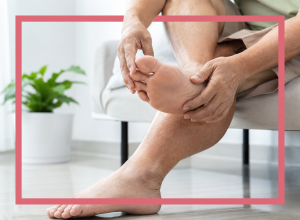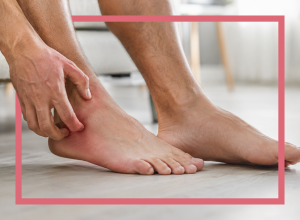
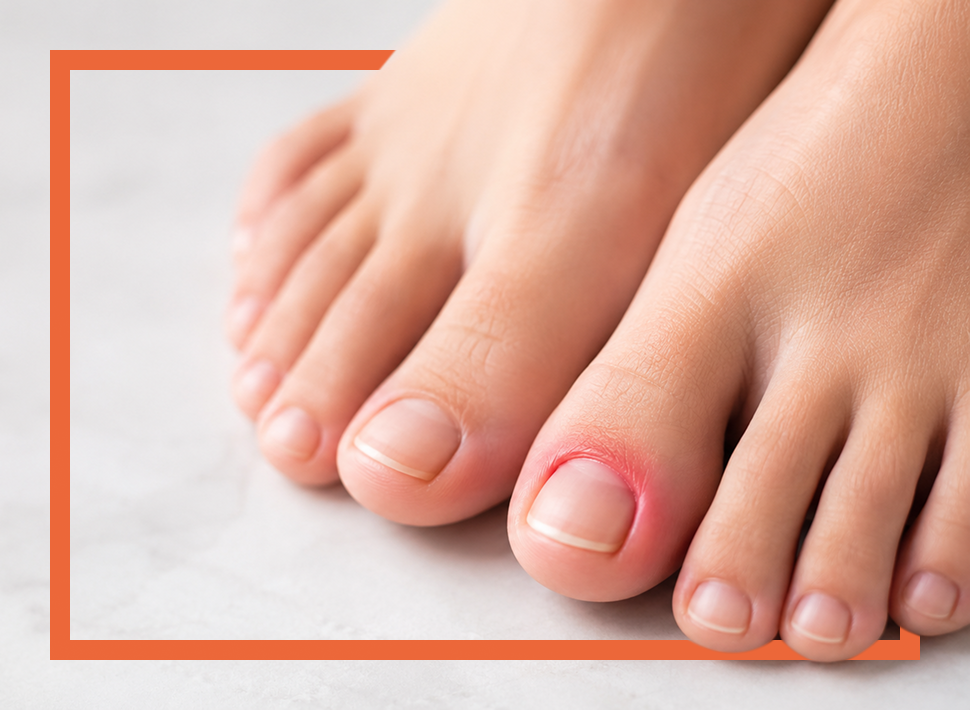
A brief pain when putting on shoes, an uncomfortable pulling sensation on the finger, or pressure on the toe: when the nail bed is inflamed, everyday life can quickly become unpleasant. The discomfort often arises from minor injuries, ingrown nails, or irritated cuticles.
What Is an Inflamed Nail Bed?
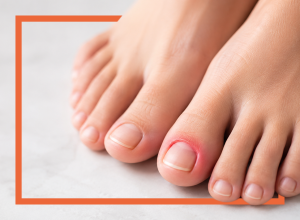
An inflamed nail bed usually develops where the skin around the nail is irritated or injured. This can occur on fingers and toes. Medically, inflammation in the area of the nail fold is often referred to as paronychia. It affects the tissue around fingernails or toenails.
Particularly on the toe, an inflamed nail bed is often caused by pressure in the shoe, an ingrown nail, or incorrectly trimmed nails. On the fingers, cuticle injuries, nail biting, frequent hand washing, or minor cuts during manicures often play a role.
How Does the Nail Bed Become Inflamed?
The nail bed and surrounding cuticle form a natural protective barrier. When this barrier is disrupted, irritation can develop and germs can penetrate more easily. Often a minor carelessness is sufficient. Common triggers include:
- nails cut too short or rounded
- ingrown nail edges
- pressure points from tight shoes
- torn or cut cuticles
- nail biting or picking at the skin
- minor injuries during manicure or pedicure
- moisture, friction, or excessive sweating
- frequent exposure to water or cleaning agents
What Helps with an Inflamed Nail Bed?
When the nail bed is inflamed or significantly irritated, the affected area should first be protected. For mild irritation, these measures can provide support:
- keep the affected area clean
- avoid pressure from shoes or tight gloves
- dry hands or feet thoroughly after washing
- do not cut cuticles, only care for them gently
- carefully pat the affected area dry afterward
- support irritated skin with appropriate care
A lukewarm foot or hand bath can be pleasant for mild discomfort. However, it should not be too hot and should not last too long, so that the skin does not soften excessively. If symptoms increase, pus becomes visible, or redness spreads, professional advice is important.
What You Should Avoid with an Inflamed Nail Bed
With an irritated or inflamed nail bed, restraint is important. Aggressive home remedies, highly irritating solutions, or deep cutting of the nail edge can place additional stress on the skin.
Avoid the following:
- squeezing out pus yourself
- working on the nail fold with sharp instruments
- cutting out ingrown nail edges deeply yourself
- tearing off or cutting cuticles
- continuing to wear tight shoes despite pressure pain
- applying undiluted essential oils to irritated skin
Inflamed Nail Bed on the Toe
On the toe, several stresses come together: shoes exert pressure, socks can increase friction, and moisture accumulates more easily. If the nail is cut too rounded or too short, the nail edge can grow into the skin.
Therefore, ensure that toenails are trimmed as straight as possible and the corners are not cut too deeply. Shoes should provide sufficient space for the toes. If a nail repeatedly becomes ingrown, the nail fold is severely irritated, or discomfort when walking increases, podiatric support is advisable.
Supportive Care for the Nails
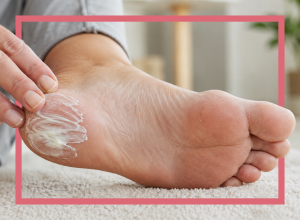
When the skin around the nail is dry, cracked, or irritated, targeted care such as Spirularin® NF Salve can help support the natural skin barrier. According to product information, the microalgae active ingredient Spiralin® forms a protective film around healthy skin cells.
For stressed nails themselves, Spirularin® N Nail Serum or Spirularin® N Nail Spray can be useful as a supplement. The serum is particularly suitable for targeted application on individual nails, while the spray is practical when multiple fingernails or toenails need care.
When to See an Expert for an Inflamed Nail Bed?
Have an inflamed nail bed examined by a medical professional or podiatrist if:
- severe or increasing pain occurs
- pus is visible
- redness spreads
- the area is severely swollen or overheated
- the nail is ingrown
- symptoms occur repeatedly
- diabetes or circulatory disorders are present
- fever or swollen lymph nodes develop
With an inflamed nail bed on the toe, professional assessment is particularly important if walking is painful or the nail edge visibly presses into the skin.
Conclusion
When the nail bed is inflamed, a minor injury, an ingrown nail, or pressure from shoes is often the cause. It is crucial not to further irritate the area, to avoid pressure, and to watch for warning signs. Appropriate care can support the skin barrier around the nail. In case of pus, severe pain, spreading redness, or risk factors such as diabetes, professional advice should be sought.
Questions? Our experts can be contacted via email: info(at)ocean-pharma.de.