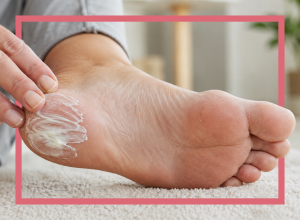

They are small, often inconspicuous – and yet can cause great pain when walking: Warts under the foot are one of the most common skin lesions on the sole of the foot. They usually go unnoticed until every step becomes noticeably uncomfortable.
Contrary to what is often assumed, plantar warts are not caused by a lack of hygiene, but by a virus that penetrates through the smallest cracks in the skin. But how do they develop – and what gentle measures can help to specifically support the skin?
How do warts develop on the foot?
Warts on the feet are caused by the human papillomavirus (HPV), which enters the top layer of skin through small cracks. Exposed, moist areas such as the soles of the feet are particularly at risk – for example after walking barefoot in swimming pools or changing rooms.
Whether a wart develops also depends on the immune system and the condition of the skin. Pressure, friction or damp shoes can also increase the risk. The result: the skin thickens gradually – often unnoticed until pain occurs when walking.
Plantar warts: these types and shapes exist
Not every wart on the foot looks the same – and not every one causes the same discomfort. Plantar warts can be divided into different types, which differ in appearance, depth and sensitivity. If you know the differences, you can better assess which care and regeneration measures make sense.
- Plantar warts: Grow inwards and often cause stabbing pain when walking. Typical symptoms are thickened cornea and small dark spots (bleeding).
- Mosaic warts: Flat, less painful and often grouped together like a mosaic. They tend to spread over a large area and can easily go unnoticed.
- Warts on the foot: Located on less stressed areas such as toes or the back of the foot. Usually raised and drier, therefore often less sensitive.
To relieve skin irritation and pressure pain, it is worth taking action at an early stage – with skin-friendly, well-tolerated products and proven natural ingredients.
Home remedies for warts under the foot
Many people initially resort to home remedies when warts appear under the foot – in the hope of natural support for the skin.
- Apple cider vinegar, tea tree oil or garlic: These products are applied directly to the affected area and are intended to stimulate skin renewal. Regular application over several weeks is usually necessary.
- Adhesive tape method: The wart is covered with plaster for days. Foot baths and gentle removal of the callus can support the effect.
Important: Deep-seated plantar warts often hardly respond to such applications. The skin should always be treated gently and not be additionally irritated.
Removing warts under the foot: medical measures
When home remedies reach their limits or the symptoms increase, proven medical procedures can be used. The aim here is not to “remove” the wart, but to support the skin in its regeneration in a targeted manner – gently but effectively.
- Cryotherapy: The wart is frozen with liquid nitrogen. This can stimulate skin renewal – several sessions are often necessary.
- Salicylic or lactic acid preparations: These gradually soften the horny layer and are available over the counter. The surrounding skin should be well protected.
- Other options: For stubborn cases, laser procedures or podiatry treatment can bring relief.
How to prevent warts under the foot
Warts are contagious – and anyone who has ever had one knows that prevention is easier than the lengthy road back to healthy skin. Simple measures can significantly reduce the risk of infection in everyday life.
- Do not walk barefoot in public places: In swimming pools, saunas or hotel rooms, slippers protect you from viruses that can lurk on damp floors.
- Don’t forget skin care: Well-moisturized, well-groomed skin is less susceptible to small cracks – and therefore less susceptible to viruses.
- Strengthen the immune system: Sufficient sleep, exercise and a balanced diet support the body’s own defenses – an important factor in preventing warts on and under the foot.
Targeted protection with Spirularin® VS cream
Spirularin® VS Cream brings wart-sensitive skin back into its natural balance. Polysaccharides from the microalgae active ingredient Spiralin® cover healthy skin cells like a protective film, making it more difficult for viruses to penetrate. Applied regularly, the cream protects healthy cells until the skin has naturally renewed itself.
Conclusion
Warts under the foot are unpleasant – but nothing to worry about. If you take the first signs seriously and support the skin in a targeted manner, you can do a lot to prevent the appearance of symptoms. Whether with tried and tested home remedies, careful care or scientifically formulated products such as Spirularin® VS cream – it is important to treat the skin gently and promote the natural regeneration process.
If you have severe symptoms or recurring warts, we recommend consulting a dermatologist or podiatrist. However, with the right foot care and a conscious approach to possible sources of infection, a lot can be achieved in everyday life – for healthy, protected feet step by step.