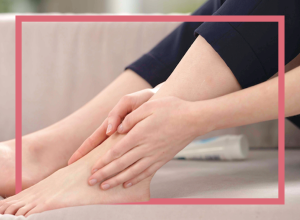

When the skin on the feet peels off, it is reminiscent of a snake shedding its skin – but unfortunately less elegant. It almost feels as if the body is trying to shed something old. In fact, this is precisely its task: to regularly renew the skin, cell layer by cell layer. However, this process is often visible and sometimes unpleasant on the feet. Peeling skin is not a blemish, but a sign that the body has a lot to do. There are many reasons for this: Be it too much callus, too little care, too much sun or too little attention. Time to take a closer look at your feet.
Dry skin – the silent trigger for peeling
Dry skin is often caused by external influences: Heating air in winter, sun and sand in summer, or simply too little moisturizer. Our feet have hardly any sebaceous glands – they are naturally rather dry. If this is not compensated for, the skin begins to peel.
Moisture is the be-all and end-all here. After showering, the skin looks forward to a rich dose of moisturizing care. Products such as Spirularin® HF Mousse from Ocean Pharma can make a big difference, especially for peeling skin on the feet. The combination of urea, glycerine, aloe vera and vitamin E moisturizes and visibly relaxes the skin. Simple household remedies such as coconut oil, shea butter or olive oil can also make the skin feel soft and supple again. It is best to apply a generous amount of cream in the evening and put on cotton socks – for a little spa night at home.
Too much cornea – a protection that tips over
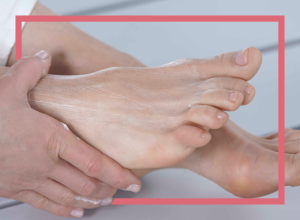
The calluses on the heels, balls of the feet and toes are like protective armor that our feet put on. But when it gets out of hand, it loses its flexibility – the skin becomes brittle, cracked and begins to peel off in flakes. Instead of protection, it becomes a burden. Too much callus often makes our feet look more tired and unkempt than they deserve.
Regular care acts like a small reboot for the skin. A pumice stone or a gentle callus file after the bath helps to remove excess callus. Intensive care is worthwhile afterwards. A special chapped skin cream, such as Spirularin® SR chapped skin cream from Ocean Pharma, helps the skin to regenerate and regain elasticity. Ingredients such as plant-based hyaluronic acid, shea butter, safflower oil and urea give the skin the opportunity to renew itself in peace and protect it from drying out again.
Athlete’s foot – peeling skin due to invisible intruders
If the skin between your toes peels like fine paper, itches or burns, there is often more to it than just dry skin. Then you can Foot fungus can be the cause – an uninvited guest that prefers to settle in warm, damp places: in sweaty sneakers, communal showers or at the edge of the pool.
Only early action can help here! If the skin peels due to athlete’s foot, it needs protection from further germs. Special care, such as Spirularin® F foot spray from Ocean Pharma, removes the breeding ground for uninvited fungal pathogens and stabilizes the skin flora. This prevents athlete’s foot from taking root in the first place. Important: Always dry feet thoroughly, air shoes well, change socks daily and wash bed linen and towels at a minimum of 60 degrees.
Peeling feet between heat and frost
The skin on our feet is often unprotected: In summer we like to walk barefoot in hot weather, in winter our feet are in tight shoes. Strong sun or freezing cold can also stress the skin. It is not uncommon for it to peel like after a minor sunburn.
Feet need UV protection – yes, they do too! Sun cream protects when walking barefoot outdoors. After a sunburn, aloe vera gel is wonderful for soothing the skin and supporting the healing process. Shoes that are not too tight and are well insulated help to prevent skin irritation on the feet, especially in the cold season. This keeps your feet healthy whatever the weather.
Extra tip: Protect your skin barrier
Regardless of what is currently stressing the skin on your feet – be it dryness, temperature changes or fungal infections – it is worth strengthening the skin barrier in a targeted manner. Active ingredients such as ceramides, panthenol or urea help the skin to regenerate from within and become more resistant to external irritants. Particularly interesting are care products that work with the natural defense mechanisms of the microalgae Spirulina platensis – as in the Spirularin® range: the active ingredient Spiralin® contained in it acts like a small natural guardian and helps to strengthen the skin barrier and at the same time ward off harmful influences without unbalancing it. A simple foot bath with camomile or salt can also have a calming effect – like a little break for stressed skin. A balanced supply of vitamins (A, C, E, biotin, zinc) and sufficient fluids play an important role in ensuring that the skin really feels good all round and create good conditions for healthy, supple feet.
Conclusion – From peeling to blossoming
Like a snake shedding its old skin, peeling feet are also a new beginning. It is a gentle hint from the body that something wants to find its balance again. If you take care of and protect your skin now, you will not only give your feet new suppleness, but also the good feeling of walking barefoot again.
FAQ
Ja, denn Fußpilz kann selbst bei gepflegten Füßen entstehen – vor allem in feuchten Umgebungen wie Schwimmbädern, Saunen oder engen Schuhen, in denen sich Wärme und Feuchtigkeit stauen.
Lieber nicht. Das Abziehen kann kleine Verletzungen verursachen und die Hautbarriere weiter schwächen.
Ja, zu viel Wasser – besonders heißes – kann die natürliche Schutzschicht der Haut angreifen und sie austrocknen.
Ja, im Sommer brauchst du eher leichtere, kühlende Pflege und Sonnenschutz, im Winter reichhaltigere Cremes gegen Trockenheit.
Ein- bis zweimal pro Woche reicht aus. Zu häufiges Entfernen kann die Haut reizen und zu noch mehr Verhornung führen.
Experten-Tipp entstand in Zusammenarbeit mit:

Patrick Günther
Patrick Günther completed his pharmacy studies in Hamburg and, after obtaining his licence to practise, worked for several years in marketing and sales in the pharmaceutical industry. In 2003, he took over ocean pharma, the company founded by his father in Reinbek near Hamburg in 1978. Together with his business partner, he patented the important processing and standardisation process for the microalgae active ingredient Spiralin® and developed a wide range of medical cosmetics and foot care products based on Spiralin®.