Nail fungus is one of the most common fungal infections, especially on the toes. Many people only notice it late – and underestimate how stubborn it can be.
Typical questions are: What does nail fungus look like? How can it be treated, removed or avoided altogether? In this article, you will find out what you should look out for – and what really helps with care and prevention.
What does nail fungus look like?
Nail fungus usually develops slowly, but often begins with clearly visible changes on the affected nail – especially on the foot:
- Yellowish, whitish or brownish discoloration
- Thickened or brittle edges
- Loss of gloss and rough surface
- Later, the nail can detach from the nail bed
Not every change is automatically a fungal infection. If you are unsure whether it is nail fungus on the toe or foot, it makes sense to have it checked early on – because the earlier it is detected, the better it can be treated.
Causes & transmission routes of nail fungus
Nail fungus is caused by fungal spores that penetrate small cracks or damaged areas in the nail. Toenails are particularly frequently affected – the environment there is often warm, moist and poorly ventilated: ideal conditions for fungi.
Typical transmission routes include:
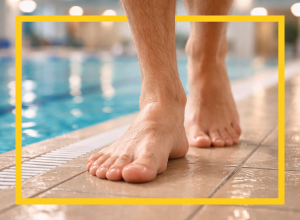
- Walking barefoot in swimming pools, showers or changing rooms
- Shared towels, shoes or nail care instruments
- Tight, poorly ventilated shoes and heavy sweating
A weakened immune system, circulatory disorders or diabetes also increase the risk of nail fungus on the foot. This makes it all the more important to ensure good hygiene and breathable footwear.
Treating nail fungus: These options are available
Nail fungus can be treated, but requires patience and consistency. Different remedies are used depending on the extent:
- Antifungal nail polishes or creams: These are applied regularly and act directly on the affected nail.
- Tablets: Systemic therapy may be necessary in cases of severe infestation – this should be supervised by a doctor.
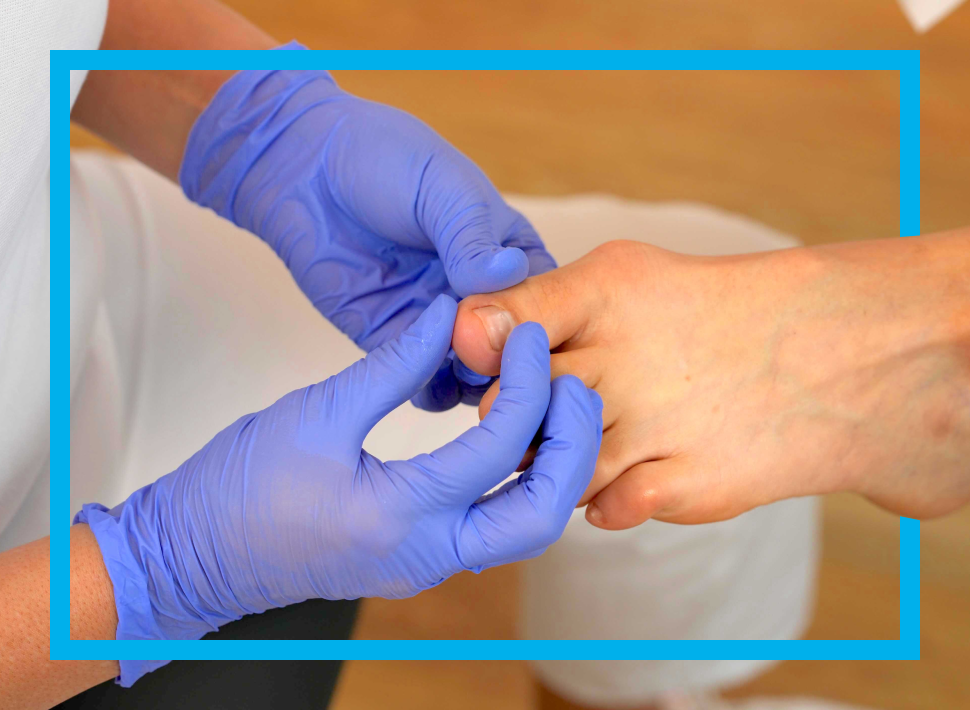
- Professional nail care: medical pedicurists can professionally shorten and prepare thickened nail plates.
The treatment often takes several months, as the nail has to grow out completely. This is important: Removing nail fungus doesn’t just mean alleviating symptoms – it also means consistently working on the cause.
Home remedies for nail fungus – what can really help
Many people initially rely on home remedies for nail fungus on the foot – especially when the changes are still in the early stages. However, not every remedy is really effective.
Tea tree oil is one of the best-known household remedies for nail fungus. It contains natural essential oils with an antimicrobial effect. Applied with a cotton bud, it is said to inhibit fungal growth. It is important to apply it regularly over several weeks – preferably on well-cleaned, dry nails.
Home remedies such as vinegar or baking soda are also frequently mentioned. They can influence the environment on the nail surface, but are no substitute for medical treatment in the case of advanced fungal infestation.
Home remedies can therefore be used to supplement care – they are often not sufficient on their own if you want to remove nail fungus permanently.
How you can prevent nail fungus
Prevention is the best protection against nail fungus – especially for people who exercise regularly, sweat a lot or frequently walk barefoot in public areas.
The important thing is:
- Always wear bathing shoes in swimming pools, showers or changing rooms
- Change socks daily and prefer breathable shoes
- Dry your feet thoroughly – including between your toes
- Disinfect nail scissors and files regularly
How does Spirularin® help with nail fungus?
For accompanying care and prevention, the products Spirularin® N Nail Serum and Spirularin® N Nail Spray can be used. They contain the microalgae active ingredient Spiralin®, which works on several levels:
It forms a protective film around healthy nail and skin cells, helping to keep fungi and bacteria at bay. At the same time, the growth of typical nail fungus pathogens is inhibited by specifically attacking their cell structure.
The products also support healthy nail growth by moisturizing and stabilizing the nail plate. This allows a damaged nail to regenerate – and at the same time remains more resistant to new infections.
For optimum results, it is recommended that affected nail areas are professionally removed before use. The serum or spray is applied morning and evening to ensure continuous protection – until the nail has grown back completely healthy.
FAQ
Leider verschwindet Nagelpilz nicht von selbst. Ohne Behandlung breitet er sich meist weiter aus – auf andere Nägel oder sogar auf die Haut. Wer früh reagiert und gezielt behandelt, erspart sich eine langwierige Therapie.
Regelmäßige Fußpflege, atmungsaktive Schuhe und saubere, trockene Socken sind das A und O. Desinfizieren Sie außerdem Nagelscheren und Feilen regelmäßig – so haben Pilzsporen kaum eine Chance, zurückzukehren.
Typisch sind gelbliche oder weißliche Verfärbungen, ein brüchiger Nagelrand und eine raue, glanzlose Oberfläche. Später kann sich der Nagel sogar vom Nagelbett lösen. Wenn Sie unsicher sind, woran Sie Nagelpilz am Zeh erkennen, sollten Sie ihn lieber frühzeitig ärztlich abklären lassen.
Nagelpilz entsteht durch Pilzsporen, die in kleine Risse im Nagel eindringen. Wodurch Nagelpilz entsteht, hängt oft mit feuchten, warmen Umgebungen zusammen – etwa in Schuhen, Schwimmbädern oder Gemeinschaftsduschen. Auch geteilte Handtücher oder Nagelwerkzeuge können zur Übertragung beitragen.
Experten-Tipp entstand in Zusammenarbeit mit:

Patrick Günther
Patrick Günther completed his pharmacy studies in Hamburg and, after obtaining his licence to practise, worked for several years in marketing and sales in the pharmaceutical industry. In 2003, he took over ocean pharma, the company founded by his father in Reinbek near Hamburg in 1978. Together with his business partner, he patented the important processing and standardisation process for the microalgae active ingredient Spiralin® and developed a wide range of medical cosmetics and foot care products based on Spiralin®.