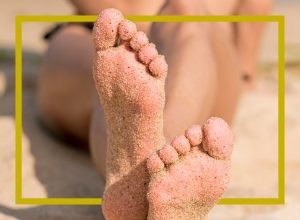
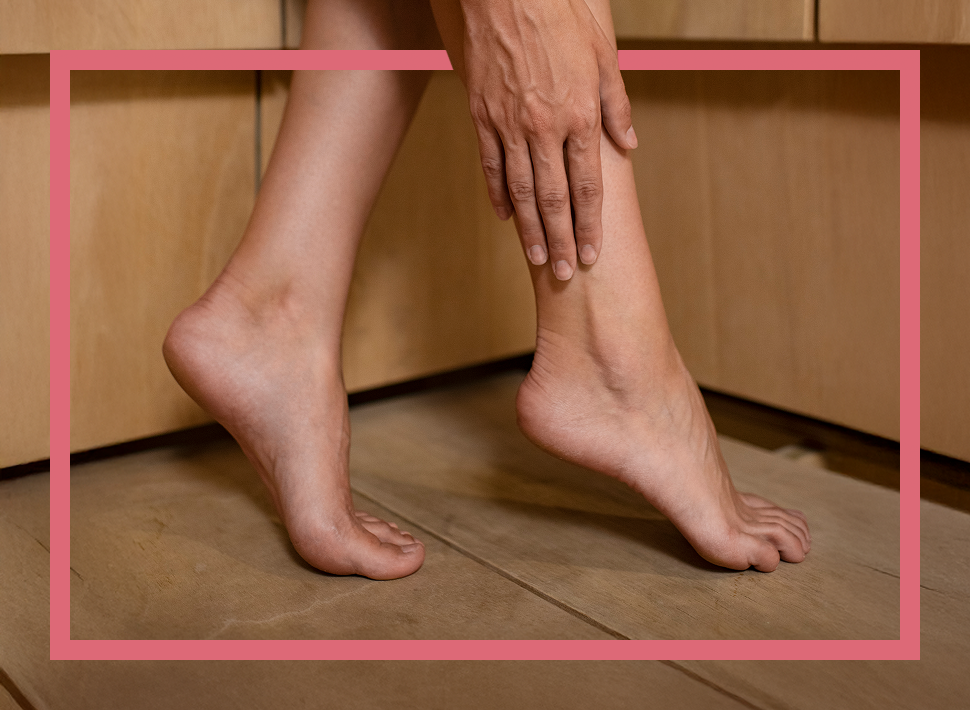
When the skin on the heels begins to tighten, feels rough and tears open like fine parchment, the first signs of cracked heels appear. The small lines can gradually deepen and cause a sharp pulling or even burning sensation with every step. There is a simple reason why cracks form so easily on the heels: the skin there is particularly thick, dries out more quickly and also bears the entire weight of the body. Each step creates a small pressure shock that can further open up existing cracks.
This makes it all the more important to know what to do about cracked heels: with regular care, conscious attention and the gentle power of natural active ingredients, the skin can be soothed and become noticeably smoother again.
What are the causes of cracked heels?
Cracked heels occur when the skin dries out, loses elasticity and opens up under strain. Common triggers are
- Dry skin causes the horny layer to harden, become brittle and lose its natural suppleness.
- Pressure and friction, for example from standing for long periods, unsuitable shoes or hard surfaces, put strain on the heel skin and can further deepen existing cracks.
- Frequent barefoot walking on dry or hot floors removes moisture from the skin and promotes additional stress.
- Cold and dry heating air reduce the skin’s natural moisture, causing it to dry out more quickly and crack.
- Excessive callus formation leads to thickened areas that lose their elasticity and can tear more easily.
- Foot misalignments or excess weight increase the pressure on the heels at certain points and thus promote the development of deeper cracks.
Symptoms – how do cracked heels manifest themselves?
Cracked heels usually develop gradually. The skin often shows small signs early on, signaling that it needs more attention.
- The skin appears increasingly dry, rough or flaky, as if it lacks a protective moisturizing film.
- Yellowish or whitish thickenings appear, indicating that the cornea has become thicker.
- Fine lines can gradually deepen into visible heel cracks.
- When standing or walking, there is stabbing or pulling pain, especially with increased strain.
- If the cracks become deeper, slight bleeding or inflammatory irritation may occur.
The earlier you notice these changes, the better the skin can be supported before the cracks become painful or deeper.
What to do about cracked heels? The best measures
1. moisturize
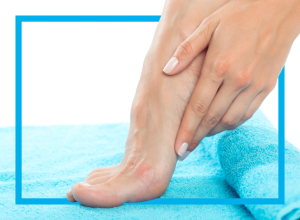
Regular application of cream is crucial to restore suppleness to cracked heels. Care products that moisturize and at the same time strengthen the skin barrier are particularly helpful. Spirularin® Mousse, which has been specially developed for dry and stressed foot skin, is particularly beneficial. The natural microalgae active ingredient Spiralin® covers the skin like a fine, breathable protective layer, supporting its regeneration and helping to retain valuable moisture.
2. wear suitable footwear
Shoes play a bigger role than many people think. Breathable, well-padded models reduce friction on the surface of the skin and prevent the heels from being exposed to unnecessary pressure. Good to know: Although open sandals in summer provide fresh air, they can also dry out the skin, especially if you frequently walk barefoot on warm floors.
3. gently reduce calluses
After a warm foot bath, calluses are much easier to remove as they become softer and more flexible. It is best to use a file instead of sharp blades – this way you work in a safer, more controlled and gentler way for the skin. It is also important not to remove too much callus at once so that sensitive skin layers are not damaged.
Spirularin® SR chapped skin cream can be a suitable supplement. The combination of magnolia bark extract and plant-based hyaluronic acid (obtained from snow fungus) provides intensive moisture and also has an antimicrobial effect. This makes the cream particularly suitable for areas of skin that are prone to cracking and chapping. Especially after filing, it can help to keep the skin supple, reduce feelings of tightness and prevent renewed dryness.
4. nutrition and fluids
The skin also needs support from the inside. Sufficient water, omega-3 fatty acids, vitamins (especially A, C, E) and minerals help the skin to remain elastic and regenerate better. A balanced diet can therefore complement the effect of external skin care products
5. professional foot care – when does it make sense?
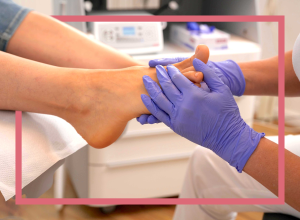
If cracks go very deep or hurt with every step, professional foot care is advisable. Expert podiatrists can safely and gently remove hardened skin, assess deep cracks and make individual recommendations for daily care.
Conclusion
Cracked heels can make every step uncomfortable, but even small, regular measures can make a big difference. With sufficient moisture, a little patience in reducing calluses and well-chosen footwear, you can give your skin exactly the support it needs. If you give your feet this attention, the skin can recover, become softer and regain its natural strength. Your steps will feel more comfortable again – and your heels will accompany you through the day feeling noticeably more relaxed.
FAQ
Why do I get cracked heels?
Dry skin, pressure, friction or too much callus are among the most common triggers. Diseases such as diabetes can also make the skin more sensitive.
What is the quickest way to treat cracked heels?
Consistent moisturizing care and gentle callus removal usually bring the best improvement in cracked heels. In addition to Spirularin® HF Gel, which supports the skin barrier, Spirularin® Mousse also provides the skin with intensive moisture.
Are cracked heels dangerous?
Superficial cracks are harmless, but deep cracks can become painful and inflamed.
How do I care for my feet in winter to avoid calluses and cracks?
In winter, the skin on the feet tends to be dry, which encourages the formation of calluses and cracks. To counteract this, you should apply cream regularly, especially after bathing or showering. Gentle callus removal and wearing warm shoes with good circulation help to keep your feet supple and healthy.
Should I apply cream to cracked heels?
Yes, daily care is crucial to keep the skin supple and prevent new cracks.
Which home remedies help?
Home remedies such as foot baths with camomile or essential oils can help to soothe and temporarily care for the skin. They moisturize and have a relaxing effect. However, they are no substitute for regular, targeted care, which is necessary for long-term results.
Experten-Tipp entstand in Zusammenarbeit mit:

Patrick Günther
Patrick Günther completed his pharmacy studies in Hamburg and, after obtaining his licence to practise, worked for several years in marketing and sales in the pharmaceutical industry. In 2003, he took over ocean pharma, the company founded by his father in Reinbek near Hamburg in 1978. Together with his business partner, he patented the important processing and standardisation process for the microalgae active ingredient Spiralin® and developed a wide range of medical cosmetics and foot care products based on Spiralin®.