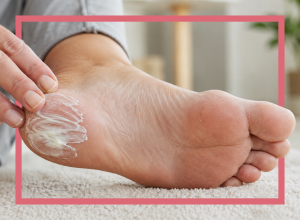

A cold floor, wet shoes, clammy toes – who hasn’t experienced this? In winter, our feet are often the first to freeze. They are the basis of our body and are constantly exposed to the cold. Icy air outside, dry heating inside – the interplay puts strain on skin, nails and circulation in equal measure. Yet warm feet in winter are not only a matter of well-being, they are also important for skin health and general wellbeing.
Why feet freeze so quickly in winter
The feet are one of the parts of the body furthest away from the heart. When it gets cold outside, the blood vessels constrict in order to keep the heat inside the body – less blood circulates in the hands and feet, and after a short time they feel cold. What’s more, although tight shoes and thick socks hardly let any cold in, they also let little air out. The skin sweats, moisture collects and then cools down even faster. At the same time, the heated air inside draws additional moisture from the skin, resulting in dry and brittle feet.
Keeping feet comfortably warm in winter
With the right combination of warmth, exercise and care, feet remain pleasantly supplied with blood and supple even in frosty months.
Movement keeps you warm
Just a few minutes of foot gymnastics or a short walk will stimulate blood circulation. Circling your toes, lightly rocking on the balls of your feet or foot massages also help to warm your feet from the inside.
The right footwear
Tight shoes are real cold traps. Models with some air and warm insulation are better. Natural materials such as lambskin or wool retain heat without allowing moisture to build up. After a long day, shoes should be aired out well – this keeps the foot climate in balance.
The matching socks
Synthetic fabrics hardly retain any heat and cause the skin to sweat. Breathable materials such as merino wool, cotton or bamboo viscose are better. They wick away moisture, retain heat and feel pleasantly soft.
Soothing foot baths
A warm foot bath is not only pure relaxation, but also promotes blood circulation. A temperature between 36 and 38 degrees Celsius is ideal. If you wish, you can enhance the effect with natural additives such as ginger, rosemary or sea salt. Afterwards, dry your feet well – especially between the toes – and apply a rich cream.
Rich care for dry skin
Cold and heated air deprive the skin of moisture in a double pack. Regular care with moisturizing and replenishing creams protects against cracks and feelings of tightness. Products with urea or vegetable oils are particularly suitable for making dry skin soft and elastic again. Spirularin® HF Mousse from Ocean Pharma is particularly suitable here. The light care foam with 10% urea provides intensive moisture, strengthens the skin’s natural barrier and is absorbed particularly quickly – without leaving a greasy film. This means that feet can slip back into socks or shoes immediately after applying the cream.
Simple tips for warm feet
Home remedies can also help to keep feet warm in the frosty season. A foot bath with a little mustard flour stimulates blood circulation. Alternatively, a massage with warm olive oil provides comforting warmth and supple skin. If you get cold easily, you can briefly warm your feet with a hot water bottle or cherry stone cushion before going to bed to stimulate blood circulation.
Conclusion
Warm feet in winter are not a matter of course – but they are easy to achieve with a little attention. Exercise, breathable materials, regular care and small warmth rituals keep your feet healthy, supple and well supplied with blood. Giving your feet warmth is not only good for your well-being, but also for the health of your skin.