Whether opening a package, typing on the keyboard or even applying cream – even a small moment of carelessness is enough: Caught on the edge or lightly bumped, and the fingernail tears. Anyone who suffers from brittle nails encounters everyday situations like this time and time again. Cracked, splintering and dull-looking nails often look unattractive and can be a real nuisance in everyday life. But what are the typical triggers for brittle nails – and what tips and tricks can be used to stabilize them in the long term?
Typical signs of brittle nails
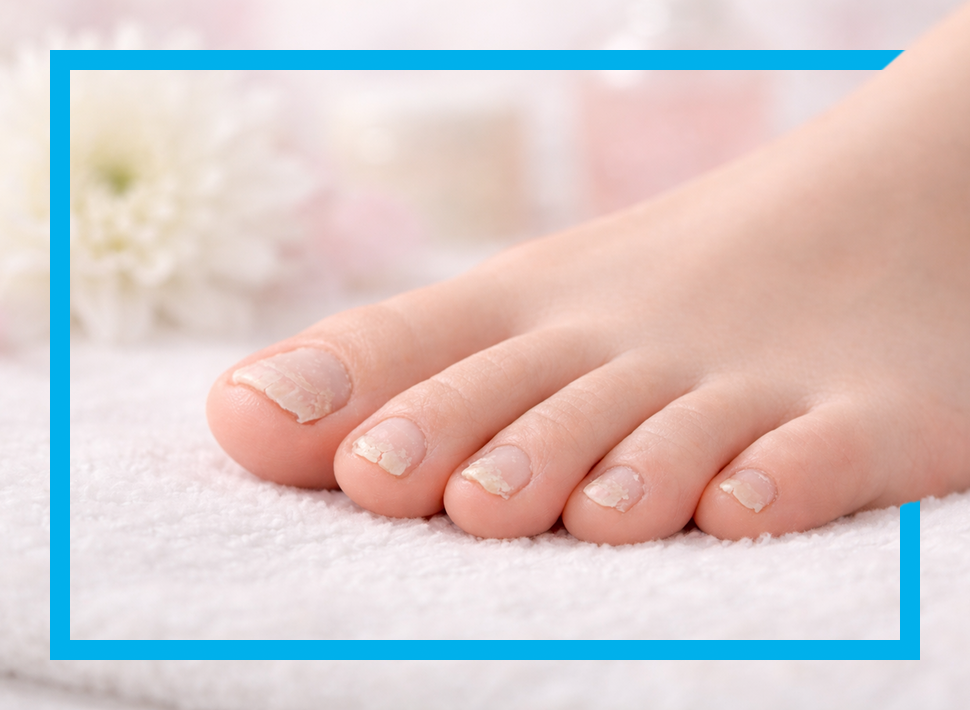
The tips of the nails splinter easily or peel off in layers, while the edges tear particularly quickly – often even with little strain. In addition, the nail surface often appears dull, lackluster and generally less resistant. Many sufferers also notice that their nails are unusually thin, soft or very flexible, which makes them even more susceptible to cracking and damage.
What are the causes of brittle nails?
Brittle nails can have many different causes, which often reinforce each other. The body’s supply of important nutrients plays a central role. Iron, zinc, biotin and vitamin B12 in particular are crucial for the development and stability of the nail structure. If there is a lack of these micronutrients over a longer period of time, the nail plate can thin, lose elasticity and tear more easily.
External influences also put a lot of strain on nails in everyday life. Frequent contact with water, soaps and cleaning agents – for example when doing housework or washing your hands at work – removes oils and moisture from the nail plate. As a result, the nails become dry, brittle and more susceptible to cracking.
In addition, there are mechanical irritants that are often underestimated. Regular typing on the keyboard, incorrect or too coarse filing, improper manicure or nibbling on the nails can damage the natural protective layer and permanently weaken the nail structure.
Environmental and weather influences also play a role. Cold, dry heated air or intense UV radiation affect the nails and encourage the nail plate to dry out, causing it to become brittle more quickly.
Last but not least, hormonal changes can have an impact on nail health. Pregnancy or subsequent breastfeeding, as well as hormonal diseases such as thyroid disorders, have an effect on the metabolism and therefore also on nail growth and strength.
What helps against brittle nails?
Brittle nails do not usually develop suddenly, but are the result of many small stresses in everyday life. This makes a holistic approach of protection, nutrition and targeted care all the more important.
Small changes in everyday life
Even small changes in everyday life can make a significant contribution to protecting your nails. Gloves should always be worn when washing up or cleaning to avoid direct contact with water and aggressive cleaning agents. These remove important oils from the nail plate and make it more susceptible to cracking. Frequent hand washing can also dry out the nails – pH-neutral soaps and regular care with a moisturizing hand cream help to counteract this.
Nutrient-rich diet
Healthy nails often start from the inside. A balanced diet with sufficient vitamins and minerals supports nail growth and the stability of the nail plate. Biotin, iron, zinc and vitamin B12 are particularly important. These nutrients promote the strength of the nails and can prevent tearing. Good sources include nuts, eggs, millet, spinach, lentils and wholegrain products. If a deficiency is suspected, it may be useful to have a blood count carried out by a doctor in order to take targeted action.
Gentle nail care
The right care also plays a decisive role. It should strengthen the nails without irritating them further.
- Gentle filing instead of cutting: Glass files are particularly gentle on nails. Ideally, you should only file in one direction to avoid splitting the nail edges.
- Use a mild nail polish remover: Products containing acetone severely dry out nails. Oil or conditioner-based removers are the better choice.
- Regular cuticle care: intact cuticles protect the nail bed. Natural oils such as jojoba, almond or apricot kernel oil are ideal for daily care.
Targeted support with Spirularin®
Nails that are prone to dryness and brittleness benefit from targeted care with proven active ingredients. Spirularin® N Nail Serum and Spirularin® N Nail Spray offer a complementary measure for nail care. Both products have been specially developed for sensitive nails and contain the microalgae active ingredient Spiralin®. This forms a fine protective film on the nail surface and thus helps to keep out external influences such as fungi and bacteria. At the same time, it supports the regeneration of weakened nails by strengthening the natural protective mechanisms of the nail plate and preserving moisture.
The nail serum is particularly suitable for spot application on individual nails. It provides the affected areas with intensive moisture and strengthens the nail structure. The nail spray can be applied to large areas and is ideal for several fingernails or toenails. Used in the morning and evening, both products can be easily integrated into your daily care routine.
Conclusion
In everyday life, our nails are constantly in use and are often subjected to more stress than you might think at first glance. Water, friction and minor mechanical stresses leave their mark on the nail structure over time. This makes it all the more important to consciously support the nails – with care that strengthens them and measures that specifically protect them from further stress. This applies not only to brittle nails, but also to nail psoriasis, nail fungal infections and other nail changes. With a little mindfulness and natural active ingredients such as Spiralin® from Ocean Pharma’s nail care products, stressed nails can be strengthened in a targeted manner.
FAQ
Can nail polish make brittle nails worse?
Yes, this can happen, especially if aggressive nail polish removers with acetone are used or the polish is applied continuously without giving the nails a break in between. The chemical components can dry out the nail plate, which further weakens the structure.
Are there differences between fingernails and toenails?
Yes, toenails grow more slowly, are thicker and are subjected to greater stress in everyday life – for example, due to tight shoes, prolonged walking or sporting activity. They therefore need special attention and targeted care. Products such as Spirularin® N nail spray are very suitable for daily use on the feet and help to keep the nail structure resistant there too.
How quickly do you see improvements in nail care?
As nails grow slowly, it takes a little patience before visible results appear. The first improvements are usually visible after several weeks – provided that care is carried out consistently.
Can stress cause brittle nails?
Yes, because prolonged psychological stress has a negative effect on many bodily functions – including nail health. Blood circulation and nutrient supply to the nail matrix can be impaired by stress, which can lead to brittle, poorly growing nails. Relaxation techniques, conscious breaks and a balanced diet help to counteract this.
How do I know if my nails need more moisture or more nutrients?
Dry, splitting nails usually indicate a lack of moisture. In this case, care products with hydrating properties can help – such as Spirularin® N nail serum, which moisturizes and smoothes the nail plate. If the nails are also soft, thin or grow slowly, there may be a lack of vitamins and trace elements (e.g. biotin, iron, zinc). A medical blood count can provide information here and help to take targeted measures.
Experten-Tipp entstand in Zusammenarbeit mit:

Patrick Günther
Patrick Günther completed his pharmacy studies in Hamburg and, after obtaining his licence to practise, worked for several years in marketing and sales in the pharmaceutical industry. In 2003, he took over ocean pharma, the company founded by his father in Reinbek near Hamburg in 1978. Together with his business partner, he patented the important processing and standardisation process for the microalgae active ingredient Spiralin® and developed a wide range of medical cosmetics and foot care products based on Spiralin®.