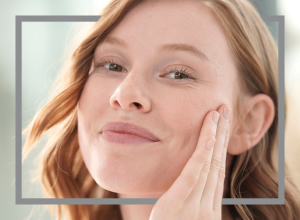

The skin protects our body from the sun, cold and pathogens. The right lifestyle, a balanced diet and the right care can protect our skin. Protection against free radicals, dehydration and rapid ageing.
Then there is the gut, or rather the gut microbiome. If this is in balance, skin health and skin ageing are also positively influenced. Our expert and beautician Susanne Dethlefs provides a more detailed insight here. We asked her and here are the answers:
What makes healthy skin?
Susanne Dethlefs: We are not only born with healthy skin genetically. A far greater proportion is influenced by internal and external factors throughout our lives. Healthy skin is more than just beautiful. It is a mirror of inner balance and also a highly complex organ that needs to be protected and regulated on a daily basis.
This also includes supporting its renewal. Healthy skin is balanced, not easily upset, even, elastic and resilient. It looks vibrant, not dull or irritated. Behind this are well-functioning processes, such as
An intact skin barrier:
It is the skin’s protective barrier and keeps moisture in and pollutants out. Ceramides and fatty acids are crucial here. Consequently, the lipids that make up this barrier.
Sufficient humidity:
Healthy skin can bind water well thanks to natural moisturizing factors (NMF) such as amino acids and urea. This keeps it supple and firm. The skin consists largely of water. This is important for the skin’s blood circulation and a functioning metabolism.
A stable microbiome:
Billions of microorganisms on our skin form a kind of living protective layer, the microbiome. If this is out of balance, irritation, impurities or dryness often occur.
The microalgae active ingredient Spiralin®has been proven to strengthen the skin barrier and the natural skin microbiome. It acts like a biological protective shield that fends off harmful microorganisms without affecting the “good” bacteria. This keeps the skin flora in balance. A key prerequisite for healthy, resilient skin.
Spiralin® also supports the regeneration of damaged skin cells and promotes the formation of protective lipid structures. The result is a stabilized, smooth and better hydrated skin surface.
No or little inflammation:
Healthy skin is in balance, i.e. it does not overreact, burn or itch. Chronic micro-inflammation, on the other hand, accelerates skin ageing.
Functioning regeneration:
Healthy skin renews itself regularly, repairs minor damage and produces collagen to remain firm and firm. Regeneration and repair processes are accelerated at night.
In short: healthy skin protects, regulates, renews itself and feels good. It glows from within and has a natural “glow”.
What should you pay attention to in order to keep your skin healthy?
Healthy skin care does not necessarily mean a lot helps a lot, but rather treating the skin in a targeted, consistent and respectful way. Here are the most important parameters that can be easily implemented:
- UV protection: Every day, all year round. Nothing damages the skin more than UV radiation. UV radiation destroys collagen, promotes pigmentation spots and causes the skin to age faster. That’s why you should use sunscreen every day, at least SPF 30 in summer and SPF 50 in strong sun.
- Mild but effective cleansing. Cleanse the facial skin in the morning and evening with a mild cleansing gel(cleanser). Cleansing in the morning removes metabolic waste products and sebum that have built up during the night. Make-up, dust and environmental toxins are removed with the evening cleanser. The pH value should remain within the skin’s natural range (4.5-5.5) so that the skin is not additionally irritated.
- Moisture + lipids as a team: Moisture alone is not enough. The skin also needs lipids to retain moisture. Hyaluronic acid and small amounts of glycerine (moisture), combined with ceramides, precious plant oils or squalane (lipids) are ideal. This strengthens the barrier and reduces dry skin in the long term.
- Avoid irritating substances: Many skin problems are self-inflicted, for example through too frequent exfoliation or fragrances in cosmetics. Less, but more targeted is often better! Modern skin care can be specifically supplemented with active ingredients such as Spiralin®. The microalgae extract not only supports the balance of lipids and moisture, but also stabilizes the natural skin microbiome. This combination optimally strengthens the skin’s protective function and is particularly effective for stressed or acne-prone skin.
- Sun, stress, environmental pollution and little sleep lead to oxidative stress caused by free radicals. Antioxidants such as vitamin C, vitamin E and niacinamide neutralize them and keep the cells protected. A little life hack: applying vitamin C under your sun cream in the morning is one of the best anti-ageing strategies!
- Good lifestyle factors are underestimated skin helpers. This includes getting enough sleep. This is because the skin regenerates during the night. Those who regularly sleep poorly age visibly faster.
- Eating healthily brings benefits on many levels. This includes, for example, fresh fruit and vegetables, high-quality fats (omega-3) and sufficient protein. Sugar and highly processed foods, on the other hand, should be reduced and ideally avoided, as they promote inflammation.
- Less stress, as this increases cortisol levels, weakens the barrier and promotes inflammation. Alcohol and nicotine are also harmful to the skin. Nicotine constricts the blood vessels and reduces the supply of oxygen. The result: pale, wrinkled skin.
How can healthy skin be maintained in old age?
Susanne Dethlefs: As we get older, we need restorative care that regenerates and protects the skin more comprehensively. We cannot prevent ageing, but we can delay it by a few years.
The basis remains the same, i.e. sun protection, a mild cleansing gel, plenty of moisture and barrier protection every day. This routine is the foundation at any age and determines the skin quality in the long term.
- Antioxidants such as vitamin C, E or coenzyme Q10 protect against oxidative stress. Peptides and niacinamide stabilize the structure and even out pigmentation disorders. Liposomal formulations improve the absorption of active ingredients without irritating the skin. Peptides improve the skin structure and stimulate cell renewal.
- Combine professional cosmetic treatments wisely. Microneedling, chemical peels or laser treatments can visibly improve the appearance of the skin when combined with the right skin care. The skin needs time to build up new collagen fibers, but the effect is long-lasting.
- Healthy skin comes not only from the outside, but also from the inside. This also means drinking enough? A person needs 30-40 ml of fluid per kilogram of body weight.
- Pay attention to micronutrients and thus to a balanced diet! These include zinc, vitamin D, vitamin C and vitamin A.
- Hormonal changes, for example during the menopause, can make the skin thinner, drier and more sensitive. Here it is important to compensate for losses of lipids and moisture.
- Take care of your skin and help it – it will thank you for it. Healthy, well-groomed skin can glow at any age – it tells a story of mindfulness, not perfection.
Healthy skincare is not a luxury, it is self-care at cellular level. Protecting, strengthening, nourishing and respecting your skin creates the best conditions. This way, it can remain healthy, resilient and beautiful for a lifetime.
Targeted active ingredient care with Spiralin®
Susanne Dethlefs: “Spiralin® has clear benefits, especially for sensitive skin or skin with inflammation and acne. The microalgae active ingredient has antibacterial, antiviral and anti-inflammatory properties that help to normalize the skin environment. At the same time, Spiralin® strengthens the skin’s own flora by maintaining the balance of the microbiome and supporting the colonization of beneficial microorganisms.
This allows the skin barrier to regenerate, reduces moisture loss and reduces impurities in the long term – for a visibly calmer, clearer complexion.
Apparative methods, such as microneedling, stimulate regeneration and improve the skin’s absorption capacity. These treatments have a deeper effect than your own skin care and accelerate the remodeling of skin structures. Always under professional supervision, of course.
Relaxation has a “skin therapeutic” effect: a good treatment not only affects the skin, but also the nervous system. Stress is always reflected in the appearance of the skin. That’s why touch, calm and mindfulness are part of every holistic cosmetic treatment. Relaxed skin has been proven to regenerate better.
A professional beautician imparts knowledge. She explains why certain steps are important and how skin care can work at home. This strengthens personal responsibility and makes the customer an active partner in skin health.
Long-term support instead of a “one-off effect”: skin changes take time. The beautician accompanies this process, documents progress and adapts the care to seasonal or hormonal changes. This creates a genuine partnership: expertise meets trust.
Did you like the expert interview? You can find more tips on skin and foot care in our expert tips.