
A relaxing visit to the swimming pool, warm tiles under your feet, the splashing of the water. What hardly anyone realizes is that there is an unpleasant companion lurking where many people go barefoot – athlete’s foot. Whether in the changing room, under the shower or around the pool: swimming pools are biotopes with a warm and humid climate and therefore a popular environment for fungal skin pathogens. These are usually transmitted directly through contact with infected surfaces. Walking barefoot on wet tiles therefore quickly exposes you to unwanted risks. But you can do something about it.
How does athlete’s foot develop in swimming pools?
In swimming pools, ideal conditions for skin fungi meet many potential hosts: moisture, heat and frequently changing visitors ensure that fungal spores spread particularly easily. They can survive for a long time on porous floors, non-slip mats or in rubber strips around pools and showers – invisibly. The infection is usually caused by a combination of:
- Skin contact with infected surfaces (floor, shower area, couches)
- Minor injuries or softened skin, e.g. due to prolonged bathing
- Weakened skin environment, for example with dry skin, diabetes or after antibiotic therapy
- Insufficient protection such as lack of bathing shoes or lack of care
The fungal spores penetrate small cracks or softened areas of skin and can colonize there unnoticed. The spaces between the toes are particularly affected, as are the soles of the feet or the edges of the nails.
Recognizing the first signs
If your feet are tingling, tight or slightly burning, it’s worth taking a closer look. The first signs of athlete’s foot often creep in unnoticed, but if you know them, you can take early countermeasures:
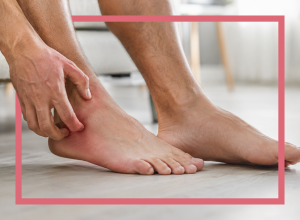
- Itching, burning or tightness – especially after going to the swimming pool or wearing closed shoes
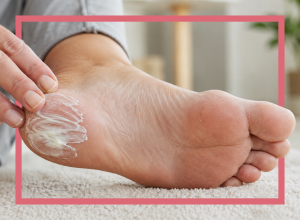
- Scaly, whitish skin – usually between the toes, sometimes inconspicuous and dry
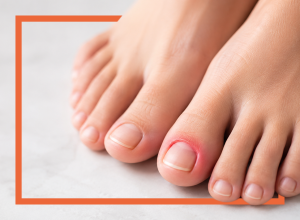
- Redness, small cracks or an unfamiliar odor – indications that the skin’s natural balance is disturbed
These small changes appear harmless, but can be the first warning sign. If you react early, you not only protect your skin, but also prevent the fungus from spreading further.
What helps against athlete’s foot from the swimming pool?
1. prevention
- Always wear bathing shoes in swimming pools, showers and changing rooms.
- Dry your feet thoroughly – including between your toes.
- Change your socks daily and make sure you wear breathable shoes.
- Wash towels, bath mats etc. regularly at 60 degrees.
2. targeted skin support
Regular care helps to strengthen the skin’s natural balance and to recognize the first signs of a fungal infection, such as itching or scaling, in good time. Spirularin® F Foot Spray from Ocean Pharma contains the microalgae active ingredient Spiralin®, which is known for its antimicrobial and protective properties. Spiralin® forms a fine protective film on the skin, which can help to make it more difficult for fungal spores to penetrate and at the same time keep the natural skin microbiome in balance. The effect is supported by nourishing ingredients such as urea and panthenol, which moisturize and promote skin regeneration. This creates a double protective effect: against external irritants and for strengthening the skin from the inside out.
If care is provided at an early stage and attention is paid to changes, many symptoms can be managed with targeted hygiene and the right care. However, if the symptoms persist or spread, it is advisable to seek medical advice.
Tips for families and frequent swimmers
Anyone who regularly goes to the swimming pool – whether for sport, with children or as a relaxing break – benefits from fixed hygiene measures. For children: get them used to wearing swimming shoes at an early age and establish child-friendly foot care. Older people or people with pre-existing conditions such as diabetes should be particularly careful, as the skin is often drier or less well supplied with blood and infections can spread more easily. Frequent swimmers can take additional precautions by using protective care such as Spirularin® F foot spray after swimming.
Conclusion
One careless moment barefoot on wet tiles and you can develop athlete’s foot from the swimming pool. But with attention, hygiene and the right care, the risk can be significantly reduced. If you protect and care for your feet, you can enjoy the water carefree and stay on healthy soles even after a visit to the pool.